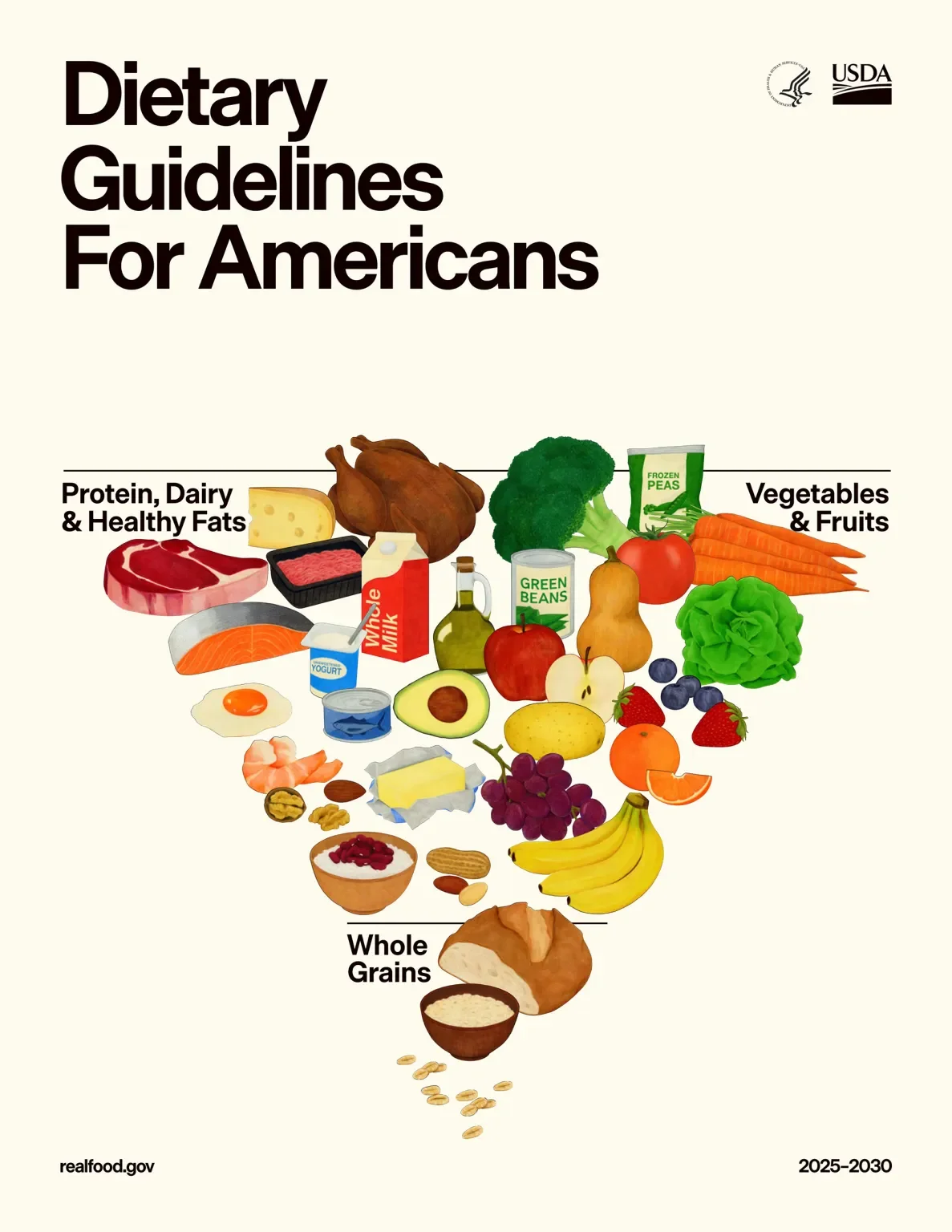
Putting aside the people and personalities behind the food pyramid, the changes that just occurred to the official dietary guidelines was a major NET POSTIVE. I read through the entire new dietary guidelines document today and was surprised and please by most of it. It is not perfect, but it is the best version of the guidelines to date (for most people).
One of the best changes was the recommended amount of protein. For optimal human flourishing, protein in adequate amounts is needed. Previous guidelines were more about consuming enough protein to avoid deficiencies. The new guidelines are more in the direction of optimization. There is a growing body of data that is indicating that more protein is needed for humans older than 60 or so.
Below is right from the new guidelines document
+Prioritize high-quality, nutrient-dense protein foods as part of a healthy dietary pattern.
+ Consume a variety of protein foods from animal sources, including eggs, poultry, seafood, and red meat, as well as a variety of plant-sourced protein foods, including beans, peas, lentils, legumes, nuts, seeds, and soy.
+ Swap deep-fried cooking methods with baked, broiled, roasted, stir-fried, or grilled cooking methods.
+ Consume meat with no or limited added sugars, refined carbohydrates or starches, or chemical additives. If preferred, flavor with salt, spices, and herbs.
+ Protein serving goals: 1.2–1.6 grams of protein per kilogram of body weight per day, adjusting as needed based on
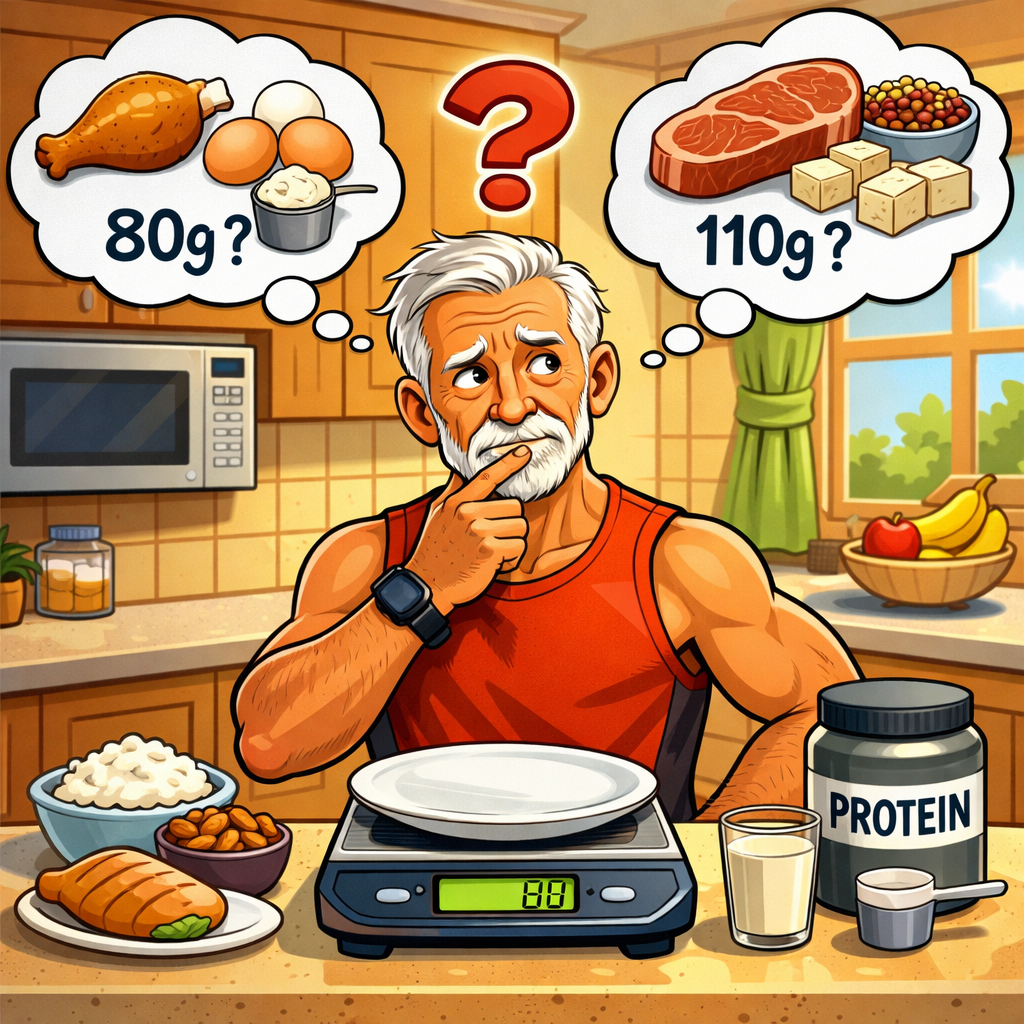
I want to make this very simple for everyone. Below are two columns that will help you discern how much protein you should have per day. I hope this helps!
Protein per Day (grams)
------------------------------------------
70
77
84
91
98
105
112
119
126
133
140
147
154
161
168
175
Body Weight (lbs) |
------------------------------------------
100
110
120
130
140
150
160
170
180
190
200
210
220
230
240
250
Jason Cornish, ACE Personal Trainer, Medical Fitness Specialist, Health Coach. He practices his craft in Auburn, AL.